Web cookies (also called HTTP cookies, browser cookies, or simply cookies) are small pieces of data that websites store on your device (computer, phone, etc.) through your web browser. They are used to remember information about you and your interactions with the site.
Purpose of Cookies:
Session Management:
Keeping you logged in
Remembering items in a shopping cart
Saving language or theme preferences
Personalization:
Tailoring content or ads based on your previous activity
Tracking & Analytics:
Monitoring browsing behavior for analytics or marketing purposes
Types of Cookies:
Session Cookies:
Temporary; deleted when you close your browser
Used for things like keeping you logged in during a single session
Persistent Cookies:
Stored on your device until they expire or are manually deleted
Used for remembering login credentials, settings, etc.
First-Party Cookies:
Set by the website you're visiting directly
Third-Party Cookies:
Set by other domains (usually advertisers) embedded in the website
Commonly used for tracking across multiple sites
Authentication cookies are a special type of web cookie used to identify and verify a user after they log in to a website or web application.
What They Do:
Once you log in to a site, the server creates an authentication cookie and sends it to your browser. This cookie:
Proves to the website that you're logged in
Prevents you from having to log in again on every page you visit
Can persist across sessions if you select "Remember me"
What's Inside an Authentication Cookie?
Typically, it contains:
A unique session ID (not your actual password)
Optional metadata (e.g., expiration time, security flags)
Analytics cookies are cookies used to collect data about how visitors interact with a website. Their primary purpose is to help website owners understand and improve user experience by analyzing things like:
How users navigate the site
Which pages are most/least visited
How long users stay on each page
What device, browser, or location the user is from
What They Track:
Some examples of data analytics cookies may collect:
Page views and time spent on pages
Click paths (how users move from page to page)
Bounce rate (users who leave without interacting)
User demographics (location, language, device)
Referring websites (how users arrived at the site)
Here’s how you can disable cookies in common browsers:
1. Google Chrome
Open Chrome and click the three vertical dots in the top-right corner.
Go to Settings > Privacy and security > Cookies and other site data.
Choose your preferred option:
Block all cookies (not recommended, can break most websites).
Block third-party cookies (can block ads and tracking cookies).
2. Mozilla Firefox
Open Firefox and click the three horizontal lines in the top-right corner.
Go to Settings > Privacy & Security.
Under the Enhanced Tracking Protection section, choose Strict to block most cookies or Custom to manually choose which cookies to block.
3. Safari
Open Safari and click Safari in the top-left corner of the screen.
Go to Preferences > Privacy.
Check Block all cookies to stop all cookies, or select options to block third-party cookies.
4. Microsoft Edge
Open Edge and click the three horizontal dots in the top-right corner.
Go to Settings > Privacy, search, and services > Cookies and site permissions.
Select your cookie settings from there, including blocking all cookies or blocking third-party cookies.
5. On Mobile (iOS/Android)
For Safari on iOS: Go to Settings > Safari > Privacy & Security > Block All Cookies.
For Chrome on Android: Open the app, tap the three dots, go to Settings > Privacy and security > Cookies.
Be Aware:
Disabling cookies can make your online experience more difficult. Some websites may not load properly, or you may be logged out frequently. Also, certain features may not work as expected.
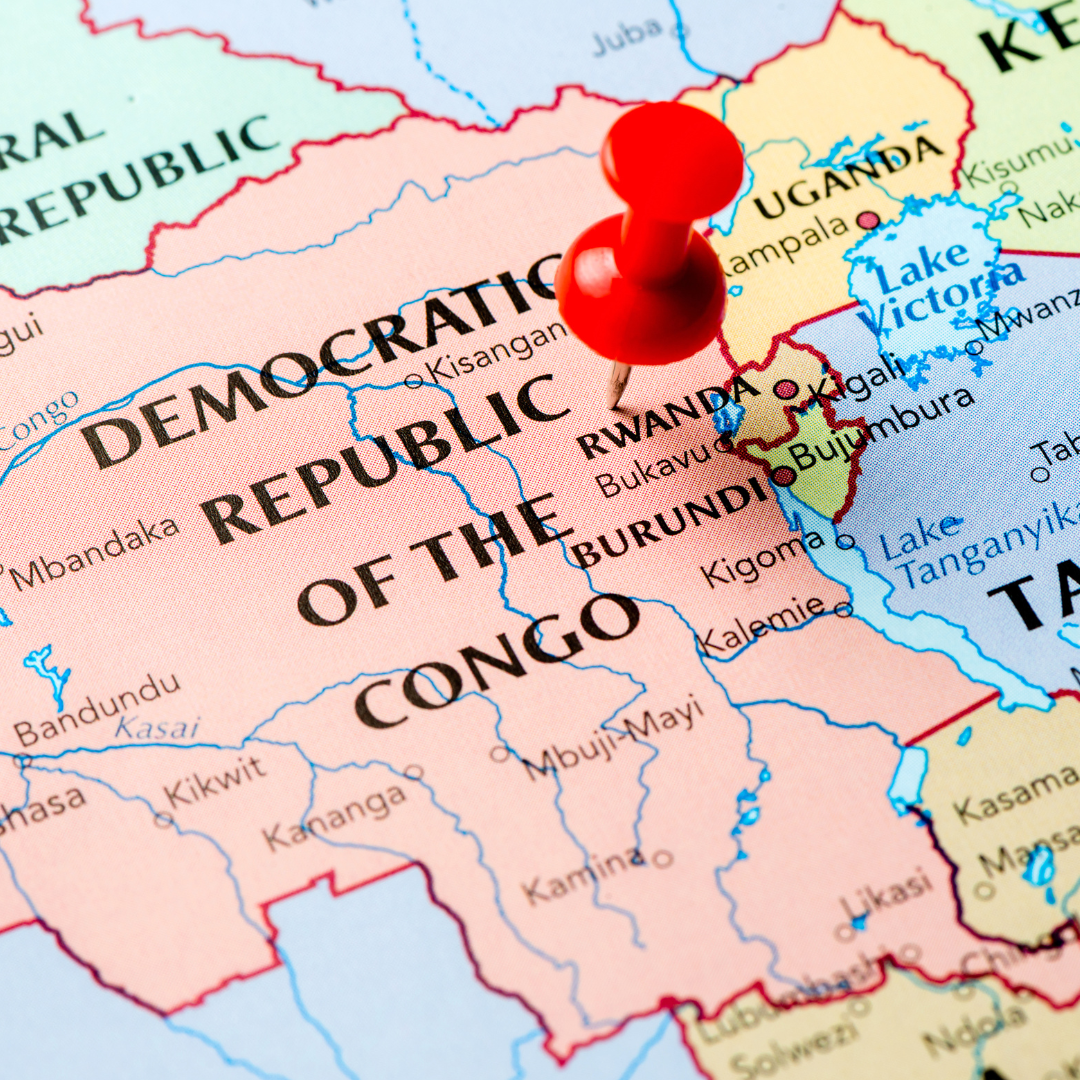
Congo Week is taking place this year from October 18-24th. The purpose of Congo Week every year is to raise global consciousness about the situation in the Congo and advocate for peace, justice and human dignity in partnership with the Congolese people.
First started in 2008, and now celebrated around the world, Congo Week honors the millions of lives lost in the Congo conflict while recognizing the resilience, dignity, and potential of the Congolese people. This year’s theme is sovereignty: The Congolese people’s dignified pursuit to control their land, resources, wealth, data and ultimately their affairs.
Feel free to read the 15 books selected to represent a few issues related to this year’s theme in the book display across from the front desk of the library. Or have a look at these handy PDFs for a primer:
Either way, be sure to join any and every opportunity offered to examine the global forces shaping the DRC and their implications for law, human rights, and social justice. Because law’s promise of justice for all is often best understood by examining where it falls short, our role in why that may be the case, and what it would take to close that gap for everyone.
Congo Week will be recognized on UConn Law’s campus for the second consecutive year. Observed October 13-October 19, it’s a week of activities that supports the people of the Congo by raising awareness of Cobalt mining and the interrelated conflict in the Democratic Republic of The Congo. Congo Week is brought to you by BLSA (Black Law Students Association) in collaboration with HRLA (Human Rights Law Association), PILG (Public Interest Law Group), EELS (Energy and Environmental Law Society), ULBC (UConn Law Basketball Club) and The UConn Law Library.
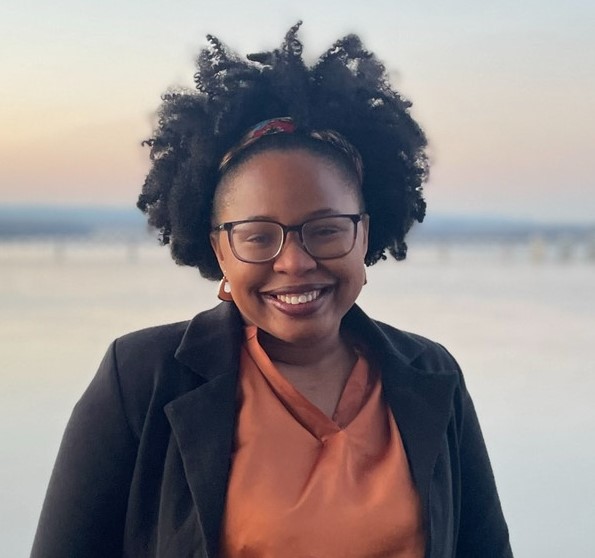
UConn Law 3L Toni-Ann Gayle
Guest blogger Toni-Ann Gayle launched the first ever Congo Week in 2023 and has spearheaded the event again for 2024. She shares her perspective on Congo Week and what it means to her:
I’m so excited that we will be recognizing Congo Week for the second year in a row on campus! This year, we are extremely fortunate to be partnering with UConn undergrad to ensure that students in the undergrad can watch some of the events and know what is taking place on the law school campus. We are also partnering with Adelphi University and sitting in on one of their events!
This year, we were intentional in making Congo Week activities even more accessible for our day and evening students. Here are just a few examples:
Scavenger Hunt
This will be available for participants throughout the week, so both day and evening students can participate,
Library Display
Books covering Congo’s history and mineral rights are on display in the library are of course, available to check out.
Congo on Campus : A Live Conversation with Congolese Cobalt Miners
Our main event on Wednesday, which features cobalt miners from the Congo will be recorded and available in person as well as virtually, and on Thursday, we will be having 2 events both of which are virtual (with watch parties in person) – one of which is during the traditional lunch hour for day students, and another which is in the afternoon and is accessible to evening students.
Perhaps what I am even more excited about is, well, two things: first, that students get the opportunity to directly ask questions which will be answered by the miners themselves, and second, our basketball game on Saturday which will be in collaboration with ULBC where we will be encouraging students to donate to causes of their choice which benefit people in the Congo!
Buckets 4 Congo (Basketball Game)
Held in collaboration with ULBC – we will be encouraging students to donate to causes of their choice which will benefit people in the Congo!
Community
This year, we were very intentional about the community aspect of Congo Week (as it is a community service project at its core) and we have partnered with organizations in the community such as YACO International’s African Community Resource Center to assist Congolese migrants in the surrounding community with various immigration needs, and even the food we are getting is from an organization that supports refugees and asylum seekers from a number of countries, Congo being one of them.
Congo Week this year promises to be even better than last year, and this is because we have a team of dedicated people on board working around the clock to ensure that each day is intentionally planned with the cause at the forefront, and that each day is designed to accommodate as many students (and faculty) as possible!
I am excited that students will get the chance to learn about the plight of the Congolese people through various forms, and I am even more excited for the thoughtful discussions that will take place – we tried very hard to ensure that there is something for everyone – from watching films to playing basketball, we want to ensure that everyone knows that there is something that they can do!
As this is my final year at UConn, this year’s Congo Week is a bit emotional for me, as it will be the last time that I am planning and executing this event. However, I am confident that the baton will be passed to competent hands who will make the event even better for years to come. I hope that everyone can come out and support in any way that they can!
 This year, we were very intentional about the community aspect of Congo Week (as it is a community service project at its core) and we have partnered with organizations in the community such as YACO International’s African Community Resource Center to assist Congolese migrants in the surrounding community with various immigration needs, and even the food we are getting is from an organization that supports refugees and asylum seekers from a number of countries, Congo being one of them.